Software development & architecture
How systems are specified, estimated, built, and delivered — and what reasonable practice looks like when a project is late, over budget, or abandoned.
Expert Witness · Software, AI & IP · Denver
Two decades of building and deploying high-stakes software for the world's biggest brands — turned into accessible and insightful technical analysis.
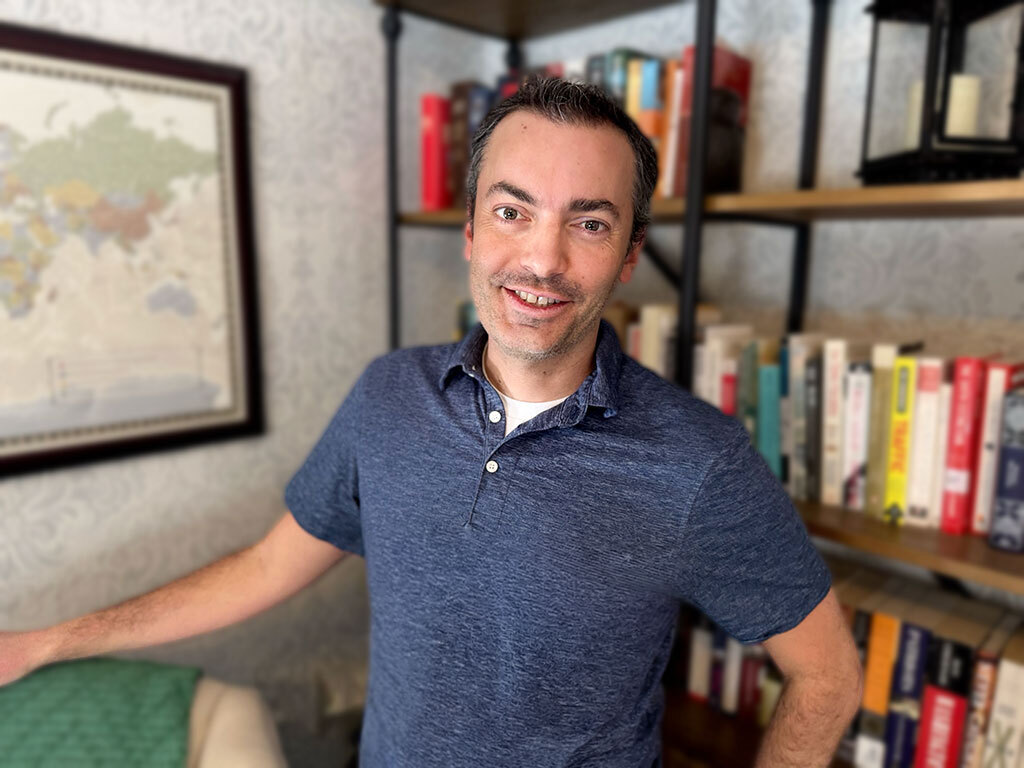
Meet your expert
Rob Howard is the founding partner of Howard Development & Consulting, the Denver software firm he started in 2009. He has spent more than twenty years designing, building, and reviewing software for some of the most demanding institutions in the country — Harvard, MIT, The World Bank, Marriott, and the U.S. Department of Defense among them.
As chief technology officer, he guided two companies through successful exits, and he has held board seats at technology, education, and legal defense non-profits — experience that bears directly on technical due diligence, engineering decision-making, and explaining both to non-technical stakeholders.
He maintains an open-source software framework powering 100,000+ websites, and founded Innovating with AI, an education company that has taught practical AI to 175,000+ readers and 2,000+ students. That mix — production engineering, open-source stewardship, and teaching — is what makes dense technical questions explainable to a non-technical audience.
Based in Denver, Colorado. Available nationally for remote and on-site engagements. CV and rate schedule on request.





Where hands-on engineering experience meets the questions counsel actually needs answered.
How systems are specified, estimated, built, and delivered — and what reasonable practice looks like when a project is late, over budget, or abandoned.
Structured review and comparison of codebases: authorship and provenance, version-control history, similarity, and what the record actually shows about who wrote what, when.
Technical analysis supporting copyright and trade-secret matters — code copying, derivative works, reverse engineering, and the line between protected expression and common practice.
How AI systems are actually built, trained, and deployed: data sourcing and use, model behavior and limits, automation claims, and what a given system can and cannot be said to do.
Website and application build quality, plus WCAG and ADA-related accessibility conformance, remediation scope, and prevailing industry practice.
Open-source obligations in commercial software — attribution, copyleft and derivative-work questions, and compliance practice, informed by maintaining a framework used on 100,000+ sites.
Types of matters
Most technology disputes turn on a handful of concrete questions. The work is establishing what the systems, the code, and the record actually show.
Breach, abandonment, and fitness-for-purpose claims on custom software and website builds.
Allegations of copied code, misappropriated systems, or departing-employee disputes.
WCAG conformance, remediation scope and cost, and what reasonable effort looks like.
Claims about what an AI system does, how it was trained, and whether it performed as represented.
Assessing code quality, technical debt, and delivery risk behind a transaction or valuation.
Whether a developer's or vendor's work met accepted industry practice at the time.
How engagements work
Non-testifying support: early case assessment, technical strategy, deposition and examination preparation, and help making sense of the technical record.
Written reports and declarations, rebuttal, and testimony at deposition, arbitration, or trial.
Review conducted under protective order, with documented methodology and a clear chain of reasoning from evidence to opinion.
Turning architecture, code, and model behavior into explanations a judge, jury, or arbitrator can follow without a technical background.
Rob leads each engagement personally, backed by two senior engineers with the same production depth — so large codebases and tight timelines are never the bottleneck.
International
Equipped for cross-border, multilingual matters — Spanish and Italian across the team, EU work authorization for Rob and Andrea, and U.S. citizenship for all three.
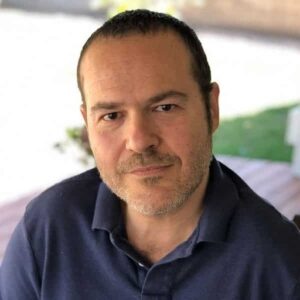
Andrea Vitale
Twenty-three years as a software engineer, specializing in e-commerce, museums, and custom application development. Fluent in Italian.
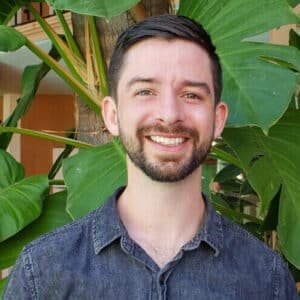
Taylor Wilkinson
Six years as a software engineer, building full-stack Laravel and WordPress applications. Degrees in Legal Studies and Business Administration. Fluent in Spanish.
A short call to run a conflicts check, understand the posture of the matter, and agree on scope, timeline, and terms before any work begins.
Review of the code, systems, and record — with methodology documented as I go, so every opinion traces back to something specific in the evidence.
A clear written report, then rebuttal, deposition, or trial testimony as the matter requires — explained in language the finder of fact can follow.
Start Here →
Email or call for a conflicts check and an initial conversation about scope, timeline, and availability. CV and rate schedule on request.
1580 N. Logan St., Ste. 660, Denver, CO 80203